Photograph
The current version of the Teachers’ Zone will not display optimally in your browser. Please upgrade it for the best experience.


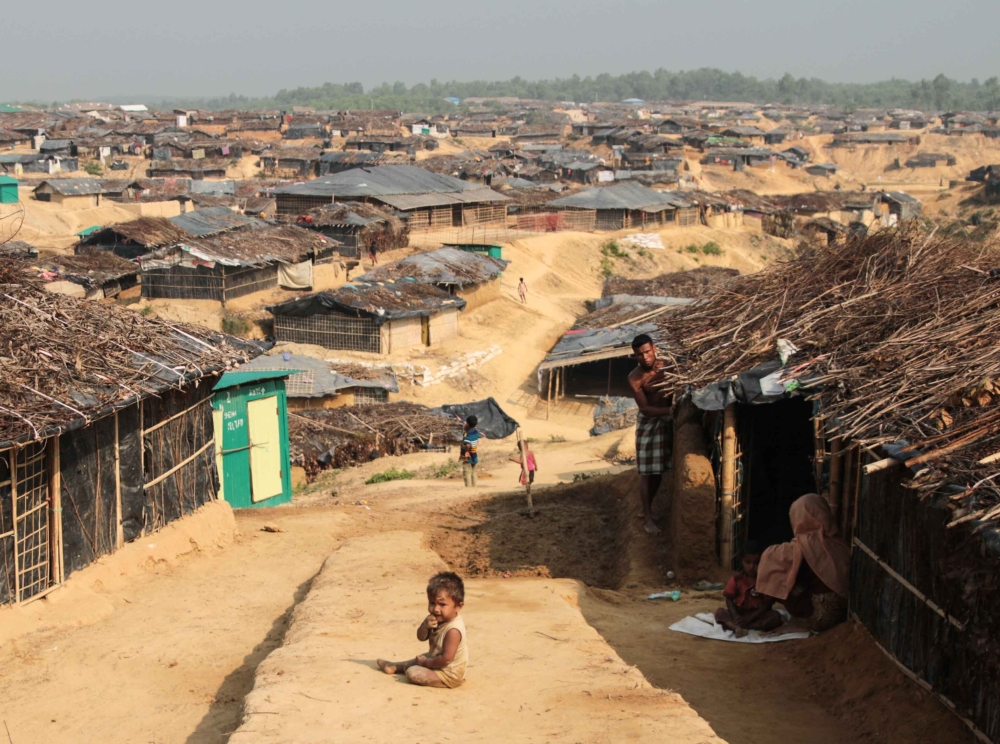
For refugees, escaping may mean being displaced within your own country, although it usually means crossing a border — and often multiple borders — to seek safety. This can involve temporary housing with hosts or in slums. For millions of refugees today, it means living in camps: vast and overcrowded complexes of tents, where people wait for their claims to be accepted.
Very few of the 35.3 million refugees in the world today will be permanently resettled in Canada. In 2019, only 100,000 refugees made permanent homes here.3 Canada’s response to refugees has evolved greatly over the past 70 years, however. In 1993, Canada became the first country to allow women to make refugee claims based on gender-related persecution. That same year, a Canadian Supreme Court decision specified that a person could claim persecution due to their sexual orientation, making Canada a leader in recognizing LGBTQ refugees. Since then, other countries have followed Canada’s example in both categories.