Artifact
The current version of the Teachers’ Zone will not display optimally in your browser. Please upgrade it for the best experience.


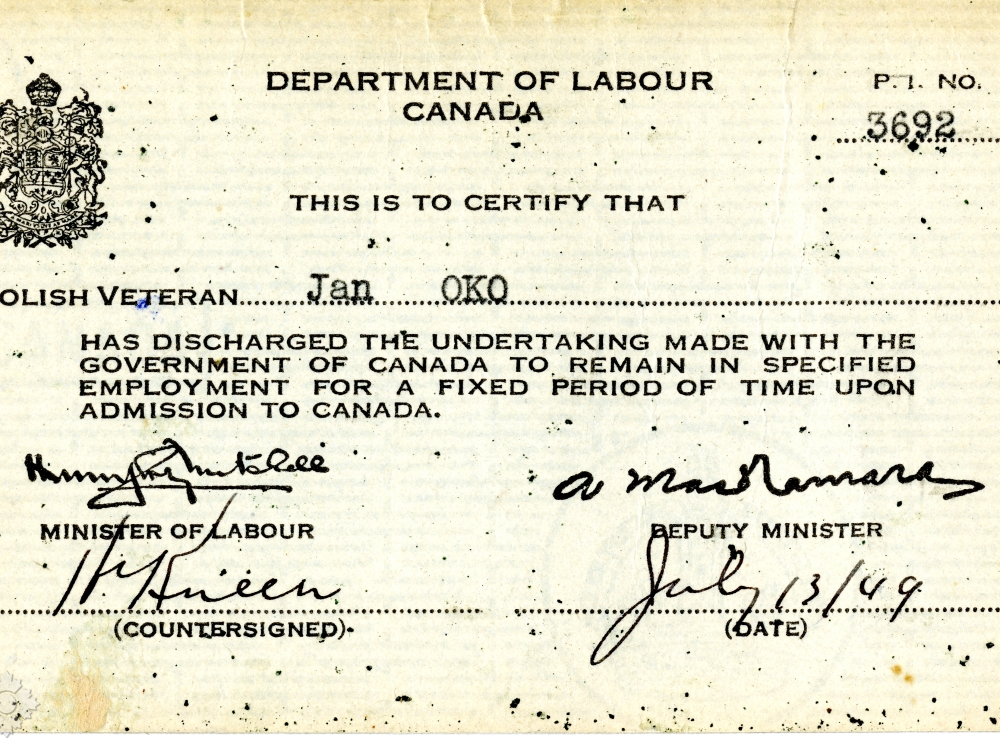
Not all refugees have been accepted in Canada. Throughout the 20th century, Canada has offered refuge to some, while denying it to others. The determination of who was considered “desirable” depended on factors such as religion, ethnocultural identity, geographical origin, health, employability and ideology.
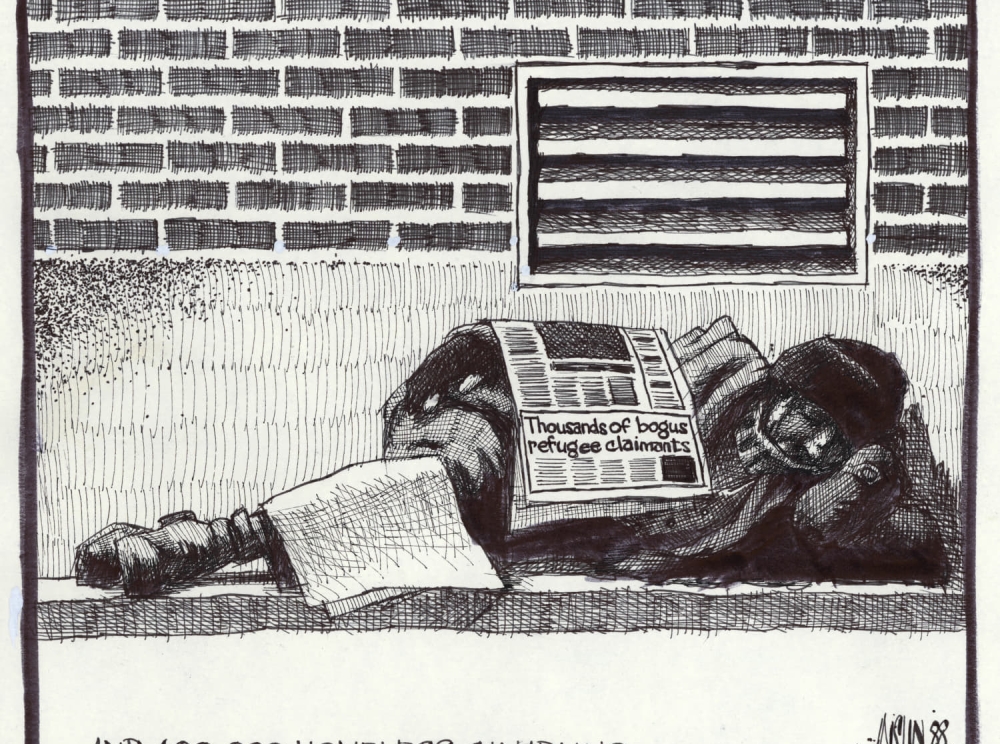
Refugees who are admitted to Canada leave most dangers behind, but face new challenges in adapting and contributing to Canada. Unfortunately, their contributions have often been overshadowed by debates regarding their right to remain in the country.
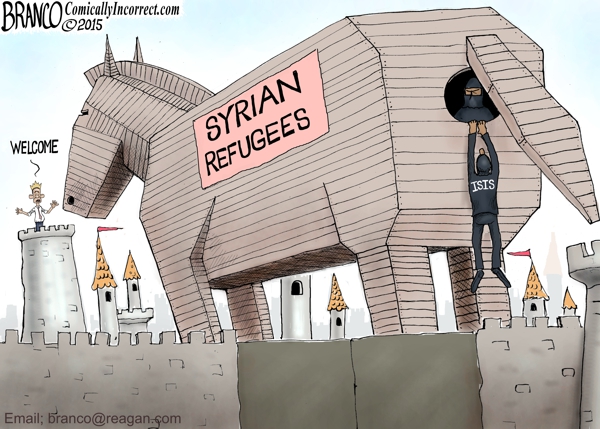
The term “refugee” evokes a range of assumptions among Canadians. Some are based on fear, while others are based on pity. These perceptions reflect a mix of labels, myths and stereotypes. The dilemma for refugees is that they need the status of “refugee” to be admitted to Canada, but that label often works against them. A large part of the problem is the framing of refugees as being in need of protection, rather than being entitled to protection based on international law and conventions. Public attitudes towards refugees often shift over time, which can affect their reception and experiences in Canada.